Low pressure can come from a fixture, valve, regulator, leak, supply problem, or restricted piping.
Is It One Fixture or the Whole House?
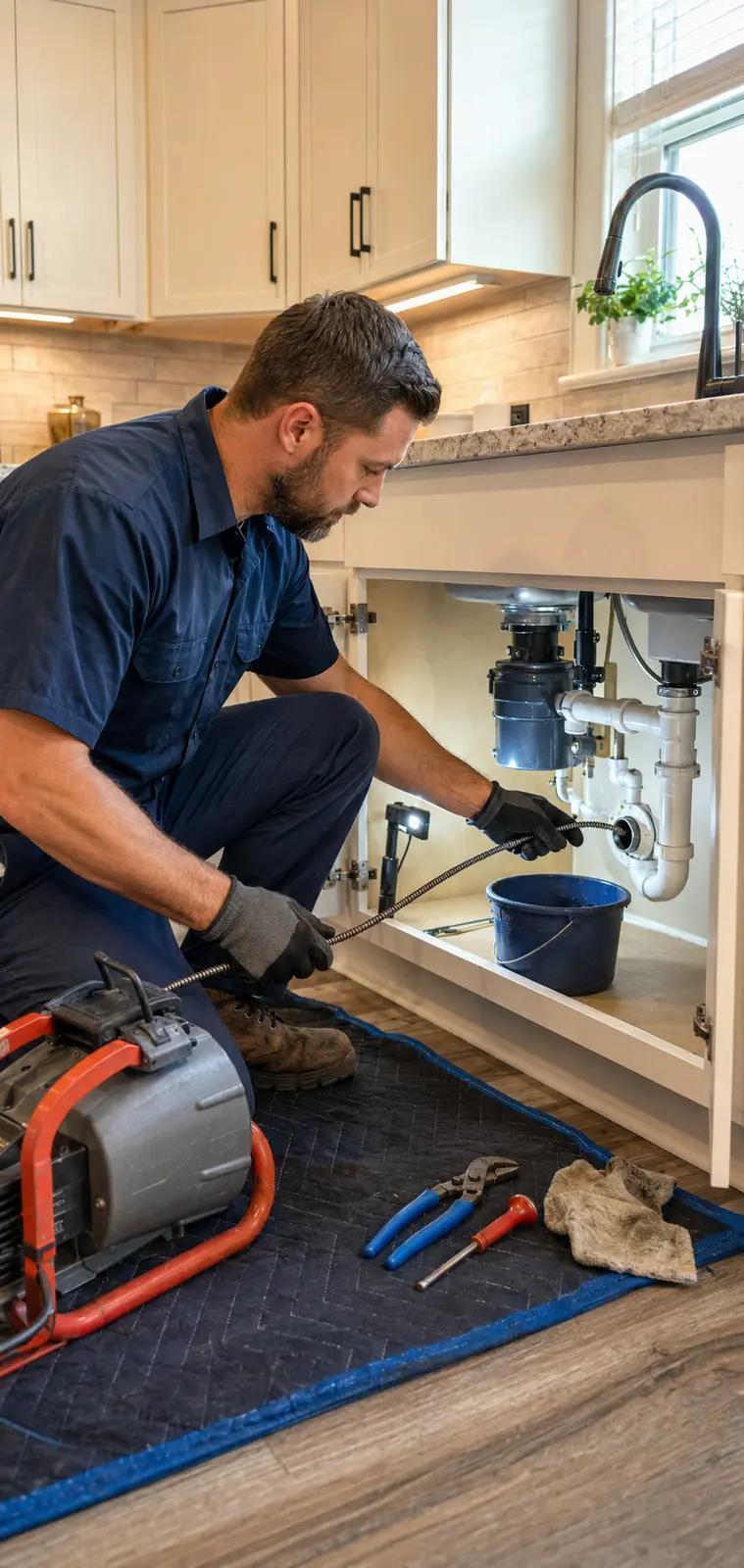
If only one faucet or shower is weak, check the aerator, showerhead, cartridge, and nearby shutoff. If pressure is low throughout the property, the cause may be at the main valve, pressure regulator, water service, or plumbing system.
Common Property-Wide Causes
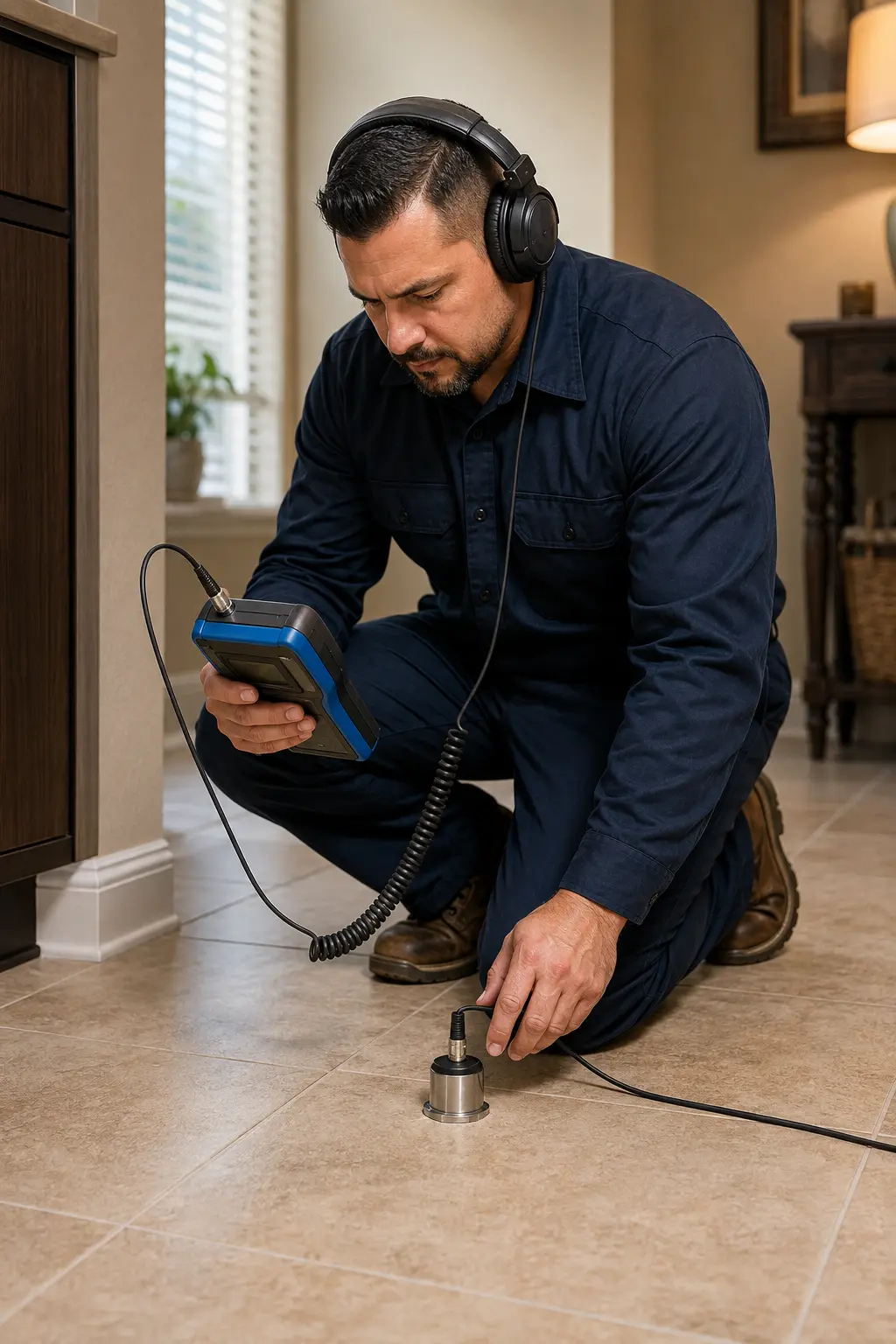
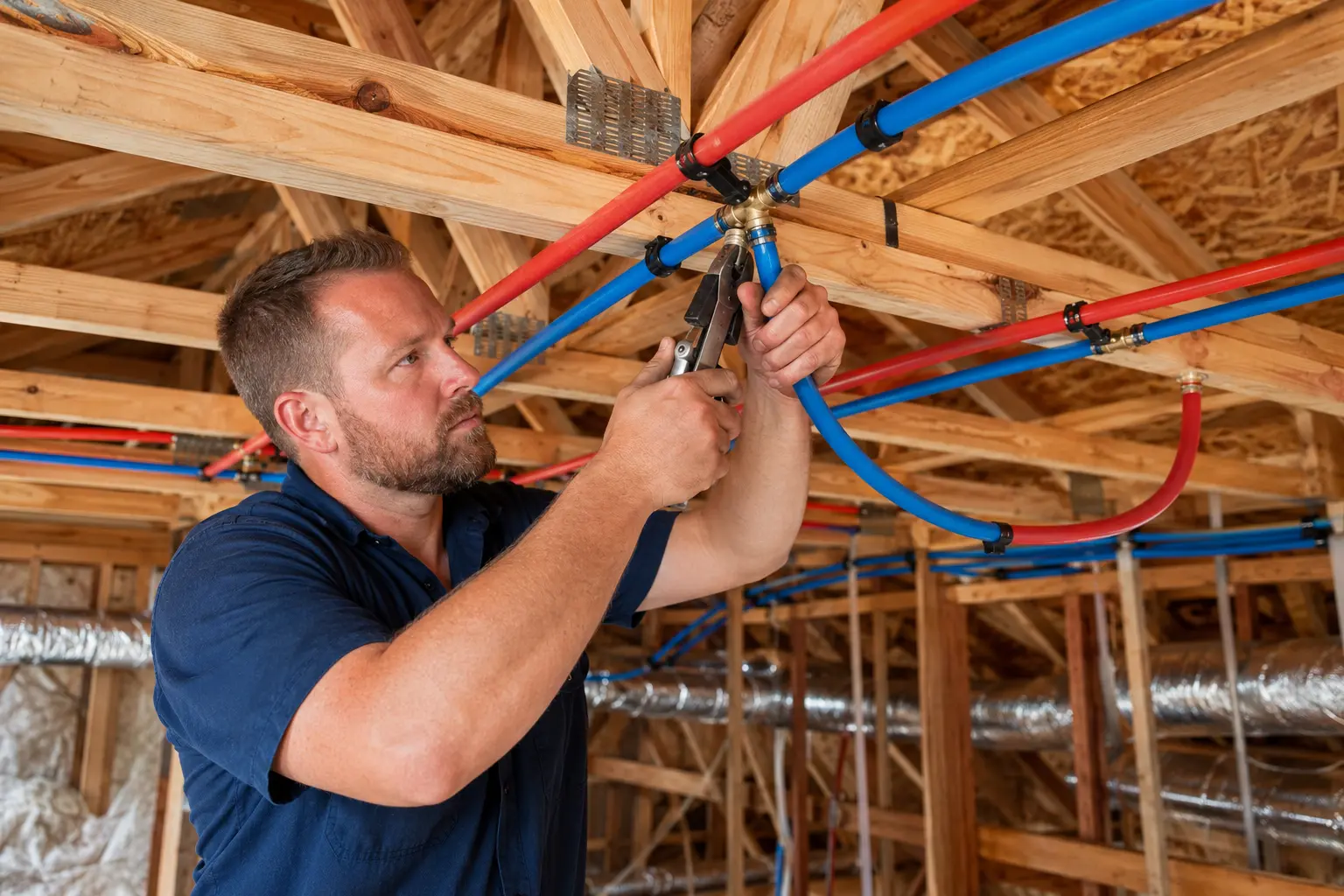
A partially closed valve, failing pressure regulator, mineral restriction, aging pipe, hidden leak, or utility work can reduce flow. Pressure and flow are related but not identical, so testing helps separate them.
- Sudden change throughout the house
- Pressure that varies dramatically
- Low hot-water flow only
- Meter movement when water is off
- Discolored water after a pressure change
Avoid Turning Up Pressure Without Diagnosis
Excessive pressure can damage fixtures, appliances, valves, and piping. A plumber should test the system and identify the restriction or control problem before changing settings.
Need help with this problem?
Get a Clear Diagnosis and Practical Options.
This article provides general plumbing information and cannot diagnose a specific property. Conditions, codes, access, and repair requirements vary. For a suspected gas leak, leave immediately. From a safe location, call your gas utility, then call MRC Plumbing Solutions at 972-357-1400. Stay away until the utility says it is safe. For fire, injury, or other immediate danger, contact local emergency services.